 YiInsight
YIINSIGHT / Canonical hexagram
Hexagram 35: Progress, Visibility, and Earned Trust
Understand hexagram 35: Progress made visible. Read the Judgment, six line settings, structural image, and a clearly labeled modern example.
Hexagram 35: 晉 · jìn
Earth below Fire. Lines are numbered from the bottom upward.
The short answer
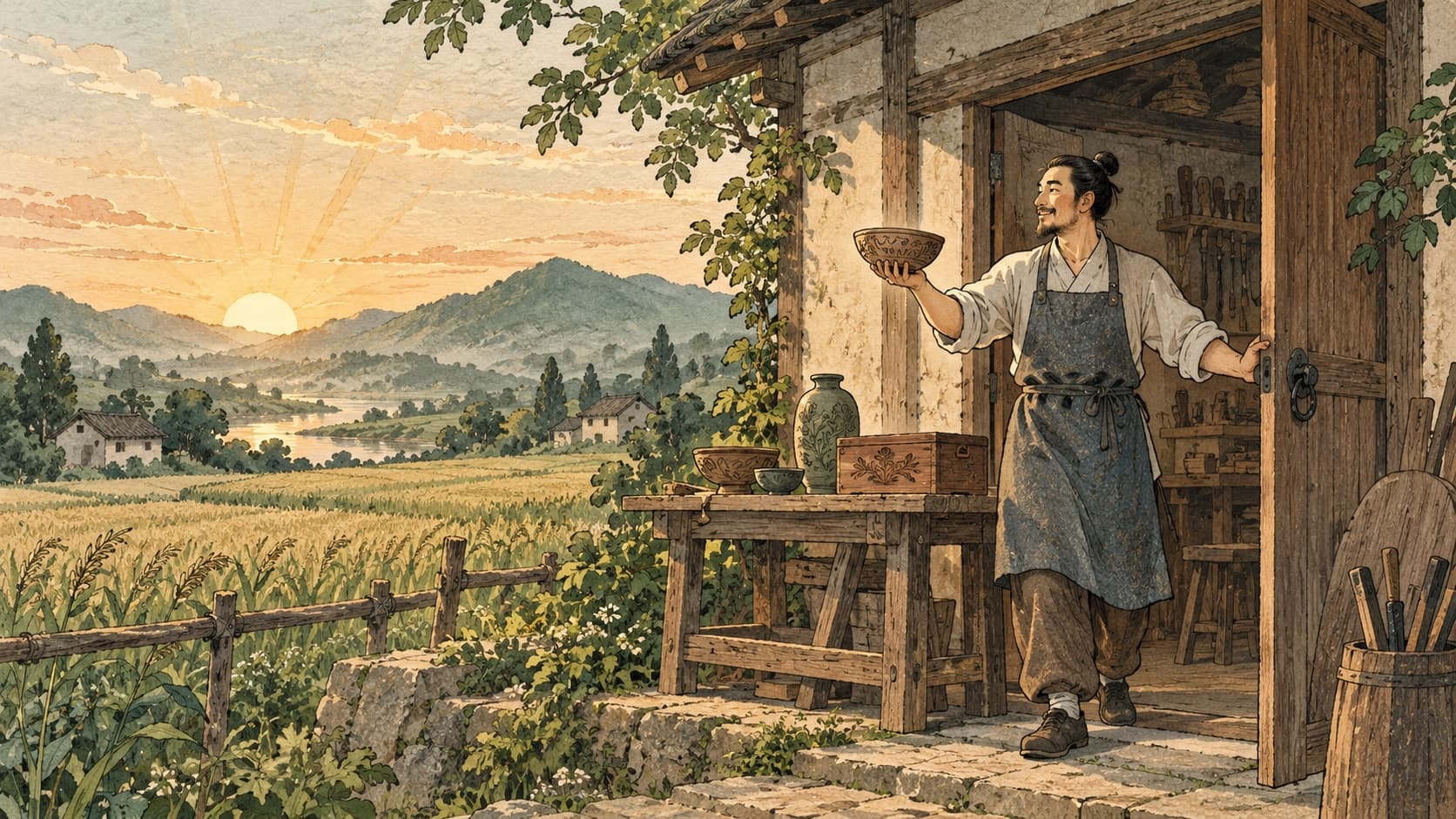
Hexagram 35, Jin, presents progress through the image of light rising above the earth. Its Judgment depicts recognition and repeated reception, while its lines distinguish early mistrust, collective agreement, opportunism, and force. Progress is examined through conduct as well as visibility.
Overview
Hexagram 35 becomes easier to read when its different textual layers remain visible. Start with the broad situation described by the Judgment. Then identify the particular position named in your recorded cast. The Image commentary offers another perspective, and a modern example can help you test an interpretation against ordinary experience. This guide uses that sequence to explore progress made visible. Read the chapter as a set of distinctions: what is happening, where you stand, which action fits that position, and what observable result would make you revise your interpretation.
The Judgment: Progress made visible
The fixed Chinese digital transcription distinguishes the Judgment, Commentary on the Judgment, Great Image, and line statements.
The Judgment depicts a lord receiving many horses and being received three times in a day. These are the text's images of recognition and access. They should be read as part of its historical symbolic setting rather than as a promise of promotion, income, or an invitation on a particular day.
The Commentary names the movement as advance and describes brightness emerging above the earth. This makes visibility an important part of the chapter: something becomes more apparent and can be acknowledged. Yet becoming visible and becoming trustworthy are different developments. The first lines still describe frustration, worry, and a lack of confidence from others.
A useful modern question is therefore not simply whether progress is coming. Ask what work can now be seen, what standard makes it worth trusting, and whether its presentation accurately matches its substance. The chapter's less favorable images keep ambition from becoming its own justification. An apparent advance achieved by grabbing or unnecessary force deserves a different assessment from one supported by shared agreement.
Read the structural image in context
In the canonical structural registry, hexagram 35 is 35-jin, with Earth below and Fire above. Count positions from bottom to top; 1 means a solid line and 0 a broken line. Its stored pattern is 000101. That identifies the figure, not a personal outcome.
Fire above earth supplies the image of brightness rising into view. The Great Image turns attention toward making one's own virtue clear. In contemporary terms, that can mean showing how a decision was reached, making a useful contribution legible, or aligning a public claim with observable behavior.
The image does not require constant self-promotion. Light makes an object visible; it does not change the object's quality. Let the work and the account of the work support each other. If the account grows faster than the underlying ability, increased visibility can reveal that mismatch too.
Six line settings: read the particular position
The following are original modern English orientation notes on the six statements in the linked Chinese transcription. They are not a certified translation or six future events in sequence:
- Line 1: The first line combines advance with being checked and not yet trusted. Allow room to establish credibility instead of demanding immediate acceptance.
- Line 2: The second line includes worry during progress and a blessing associated with a royal grandmother. Keep the historical image distinct from a prediction about a modern relative.
- Line 3: The third line finds agreement from the group. Notice whether support is real and specific rather than assumed from silence.
- Line 4: The fourth line likens advance to a rodent. The unfavorable comparison questions grasping conduct within an apparent rise.
- Line 5: The fifth line counsels less preoccupation with gain and loss. Consider the quality of the undertaking rather than every short-term fluctuation.
- Line 6: The top line advances with horns and restricts the use of force. Do not turn the historical military image into advice to dominate a modern disagreement.
For a cast with a changing line, use the changing-lines guide and read that precise position in context.
A fictional modern example
A designer has built a useful accessibility checklist but few colleagues know it exists. She prepares a short demonstration using one ordinary page and explains both the checks it covers and those it does not. The team can now evaluate a visible piece of work.
At first, a colleague doubts the checklist because earlier proposals were too broad. The designer responds by narrowing the claim and inviting a concrete correction. After the team uses the checklist on two tasks, they agree to maintain it together. Recognition follows a visible contribution and a process that allows scrutiny.
If the checklist fails to help, that result matters more than the pleasing progress metaphor. The fictional example distinguishes earned confidence from an attempt to win attention through exaggerated claims.
Questions for a practical modern reflection
These prompts are modern editorial reflection, separate from the quoted classical text and its historical commentary:
- What valuable work has become visible?
- What would make another person reasonably trust it?
- Where might a desire to advance encourage grasping or overstatement?
Choose one small action you can assess with ordinary evidence. Record what happened without treating a favorable symbol as proof that the action will work. If your observation contradicts your first interpretation, preserve the observation rather than forcing it into the text.
Use this chapter without changing the cast
Start with the question as it was actually asked. Identify the recorded primary hexagram, then any actual changing positions and relating figure. This explanatory article does not cast, choose a line, or infer a new figure. Keep the original cast separate from the interpretation you are exploring.
Read the Judgment for its broad setting, the relevant line for its particular context, and the Image as a distinct commentary layer. The reading guide provides a learning path. The English notes and fictional example here are original editorial material based on a public digital transcription. They do not certify an ancient edition or use unreviewed Gao Heng annotations.
Key takeaways
- Progress made visible is the chapter-level theme, not a guaranteed outcome.
- Read the actual changing position rather than combining all six into a prediction.
- Keep classical text, commentary, and the fictional modern example distinct.
Conclusion
Return to the actual question and the precise line, if any, before drawing a conclusion from hexagram 35. Its central concern here is progress made visible. Choose a modest interpretation that you can explain in plain language, identify one observable next step, and keep a record of what happened. The text supplies a lens; the outcome still needs to be observed.
What does hexagram 35 mean?
Hexagram 35, Jin, presents progress through the image of light rising above the earth. Its Judgment depicts recognition and repeated reception, while its lines distinguish early mistrust, collective agreement, opportunism, and force. Progress is examined through conduct as well as visibility.
Do all six lines of hexagram 35 apply to my reading?
The six positions show different settings. Begin with the line or lines actually recorded as changing in your cast. When none change, read the primary figure and the chosen method consistently; do not invent a changing line to obtain a preferred answer.
How should I use the modern example?
Use it to understand a distinction in the chapter. It is an invented teaching example, not a documented reading outcome or a prediction about your situation. Replace its details with facts you can actually observe.
Sources
Reflect on one question
Frame a focused question before starting a new reading.
Explore YiInsight →